


When shopping for a new bed or mattress, most consumers focus on size, style, or comfort. But there’s a seemingly small, frequently overlooked detail that has the potential to quietly affect your comfort and ease of use every single day — bed height.
A bed’s height can influence everything from how easy it is to get in and out of bed, to how comfortable it feels to sit on the edge, to how difficult it is to make the bed, and even whether certain mattresses or adjustable bases will work with the bed frame at all. All this makes “What’s the right bed height for me?” such an important question for consumers to ask.
Today’s bed height guide will walk you through what bed height means, why it matters, the pros and cons of different bed heights, and the factors you should consider when deciding which bed height is right for you — all based on your body, lifestyle, sleep preferences, and bedroom needs. By the end, you’ll be well on your way to finding the just right bed and mattress combo for your bedroom. Keep scrolling for everything you should know.
What Is Bed Height, Exactly?
If you ask most furniture and mattress industry experts, bed height is the measurement from the floor to the top of the mattress. Because this measurement must factor in a number of different variables, it can be a bit hard to nail down. That’s because bed height must account for the following:
- Height of the bed / bed frame
- Height of the mattress foundation, mattress base, or box spring (if used)
- And finally, the height / thickness of the mattress itself
For instance, if you’ve got a bed frame that is 8 inches off the floor, paired with a low-profile 5 inch mattress foundation, and a 12 inch thick mattress, your total bed height would be approximately 25 inches.
Because all three pieces contribute to the final bed height, it’s possible for two beds with the same exact frame to look and feel very different depending on the mattress and foundation chosen. As a result, it’s important to keep the dimensions of all three pieces in mind when shopping for a new bed or mattress.
Common Bed Heights (and What They’re Like)
While there’s no official industry standard for bed height, most beds fall into one of three ranges. Each bed height range has its own set of unique pros and cons, advantages and trade-offs that we’ll dive into below.
Low Beds (20 Inches or Less)
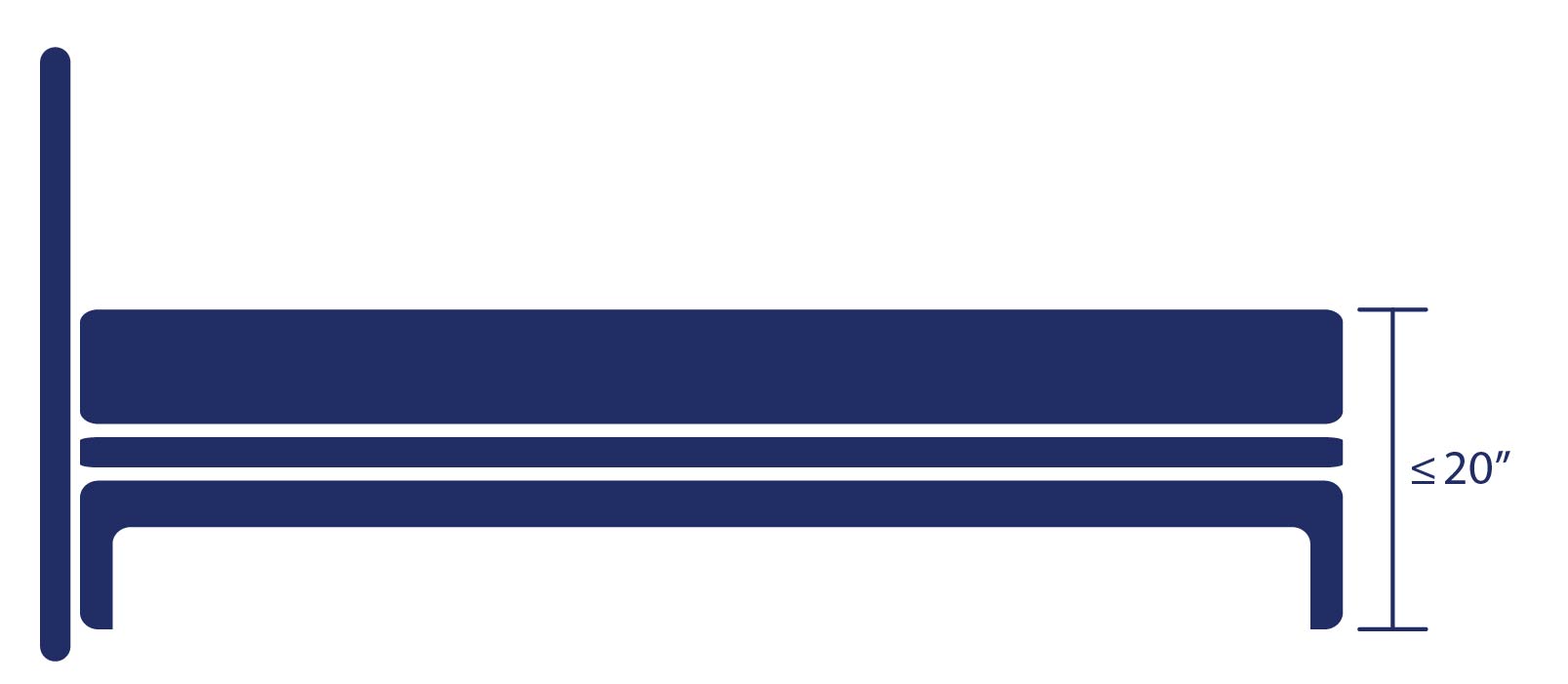
Low beds are most often platform beds (i.e. beds designed for the mattress to sit directly on slats without a foundation or box spring), and are often associated with modern or minimalist design and decor. Typically between 16 and 20 inches, these low profile beds sit closer to the floor and create a sleek, grounded look.
Pros:
- Easier to climb into, especially for shorter sleepers
- Can make a room feel more open and spacious
- Can work well with thicker mattresses to keep overall height in check
- Often feel more stable and secure due to a lower center of gravity
Cons:
- Little to no underbed storage
- Requires more bending when making the bed
- May run into compatibility issues with some adjustable bases or mattresses
- Can be harder to get into and stand up from, especially for people with knee, hip, back, or other mobility issues
Standard Height Beds (Approx. 20 to 25 Inches)
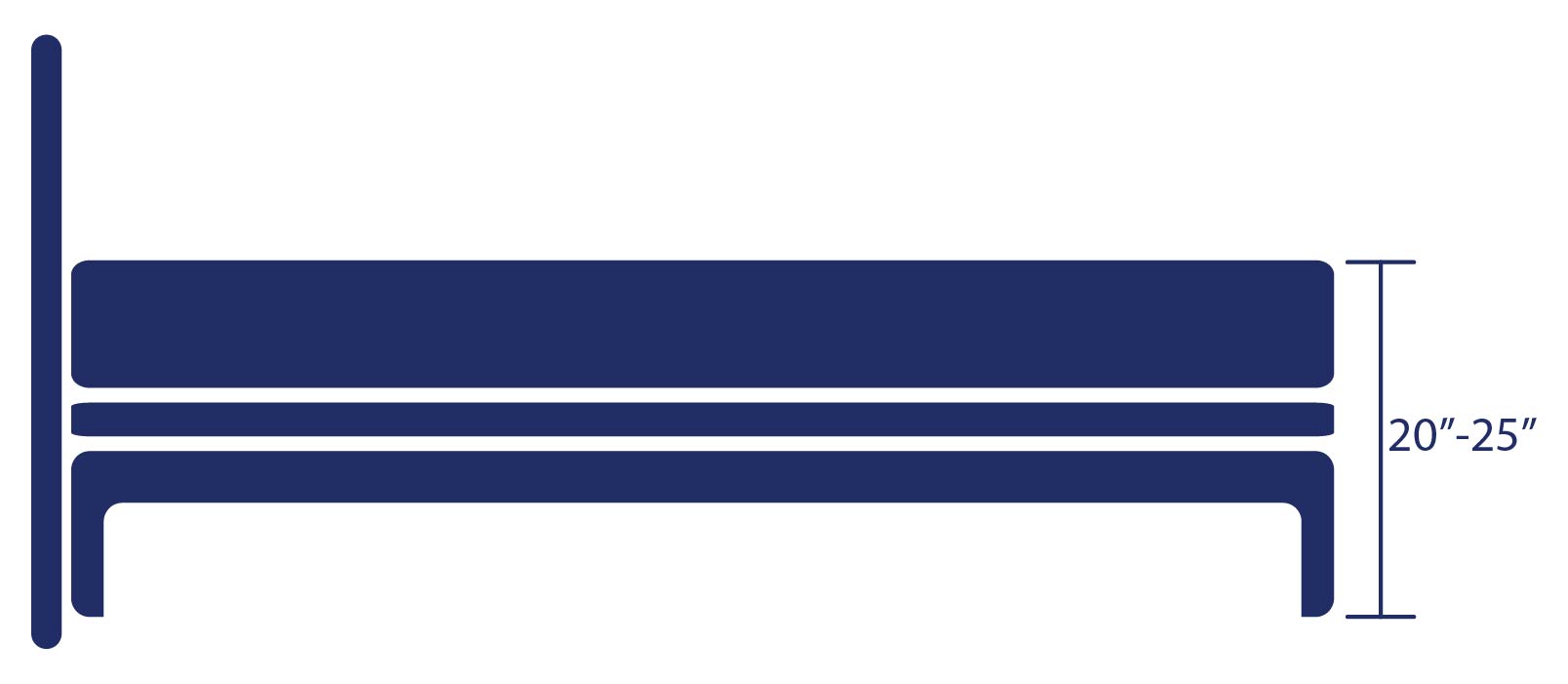
Beds in this range have what many people think of as a traditional bed height. While the most common bed heights sit somewhere around 24 inches, this type of bed works well for the widest variety of sleepers.
Pros:
- Easier to get in and out of for most adults
- Generally the easiest height for making the bed
- Usually allows for underbed storage, including some storage bed options
- For most sleepers, feet rest flat on the floor when sitting on the edge of the bed
- Compatible with a wide variety of mattresses, foundations and adjustable bases
Cons:
- Less visually dramatic than very low or very tall bed styles
- Not always ideal if you need a large amount of underbed storage
- May still feel too high or too low depending on factors like your height and the thickness of your specific mattress and mattress foundation
Tall Beds (25 Inches and Up)

Taller beds are much more common with formal or very traditional furniture styles, purpose-built storage beds, or setups designed for thicker mattresses and more substantial foundations.
Pros:
- Provides the most usable underbed storage space
- Works well for people who prefer sitting higher off the floor
- Easiest for some sleepers to stand up from, especially taller ones
- Can provide a more substantial or luxurious presence in larger bedrooms
- Compatible with the vast majority of mattresses, foundations and adjustable bases
Cons:
- May require a step stool for kids or pets
- May visually overwhelm smaller bedrooms
- Can feel overly tall, especially when paired with thick mattresses
- Can be difficult for shorter sleepers to sit on the edge of the bed, climb into bed, or make the bed
6 Key Factors to Consider When Choosing Bed Height
Now that you’ve got a general idea on the advantages and drawbacks of each bed height, let’s dial in a bit more on the specific things you should keep an eye out for when you’re figuring out the right bed height for your space.
1. Your Body, Your Mobility and Your Bed’s Ease of Use
When choosing your bed height, possibly the most important thing to consider is your body, your mobility, and how well your bed will meet those needs. Why? Because your bed’s functionality and ergonomics impact almost everything.
Choosing the right (or wrong) bed height has implications that impact the ease or difficulty of everything from:
- Getting into or out of bed
- Making the bed
- Changing the sheets
- Intimacy between partners
- Sitting on the edge of the bed to dress, undress or put on shoes
If your bed height is too high or too low relative to your height, it can:
- Be more difficult to sit on the edge of the bed
- Put extra strain on your joints, making it more difficult to get in and out of bed
- Impact older adults, or any sleepers with a history of knee, hip or back issues
- Make it more difficult to change linens or tuck in blankets without bending, reaching or straining
Without getting into specific measurements, here’s a helpful rule of thumb to help you know if a bed is too high or low. When sitting on the edge of the bed, your feet should rest flat on the floor and your knees should be at least roughly level with your hips.
2. Mattress & Mattress Foundation Thickness
A huge factor impacting the overall height of your bed is your choice of mattress and foundation. Depending on your mattress of choice, the mattress itself could range anywhere from a 10-inch thick memory foam, to a 18-inch thick innerspring or hybrid. Meanwhile, a platform bed with only slats or a slim bunkie board adds little to no additional thickness, but an 8-inch foundation or box spring most certainly will.
Already have a mattress that you love? Great! Consider the dimensions of your current mattress and foundation / box spring when shopping for new beds. Just remember:
- A thick mattress + thick foundation + tall frame = a very, very tall bed
- Choosing a low bed or platform bed that can be used without a foundation can help balance out a thick mattress
- If going with a platform bed, make sure your current mattress can be used without a foundation or box spring
Always consider your mattress height, foundation height and bed frame together, not separately.
3. Adjustable Base Compatibility
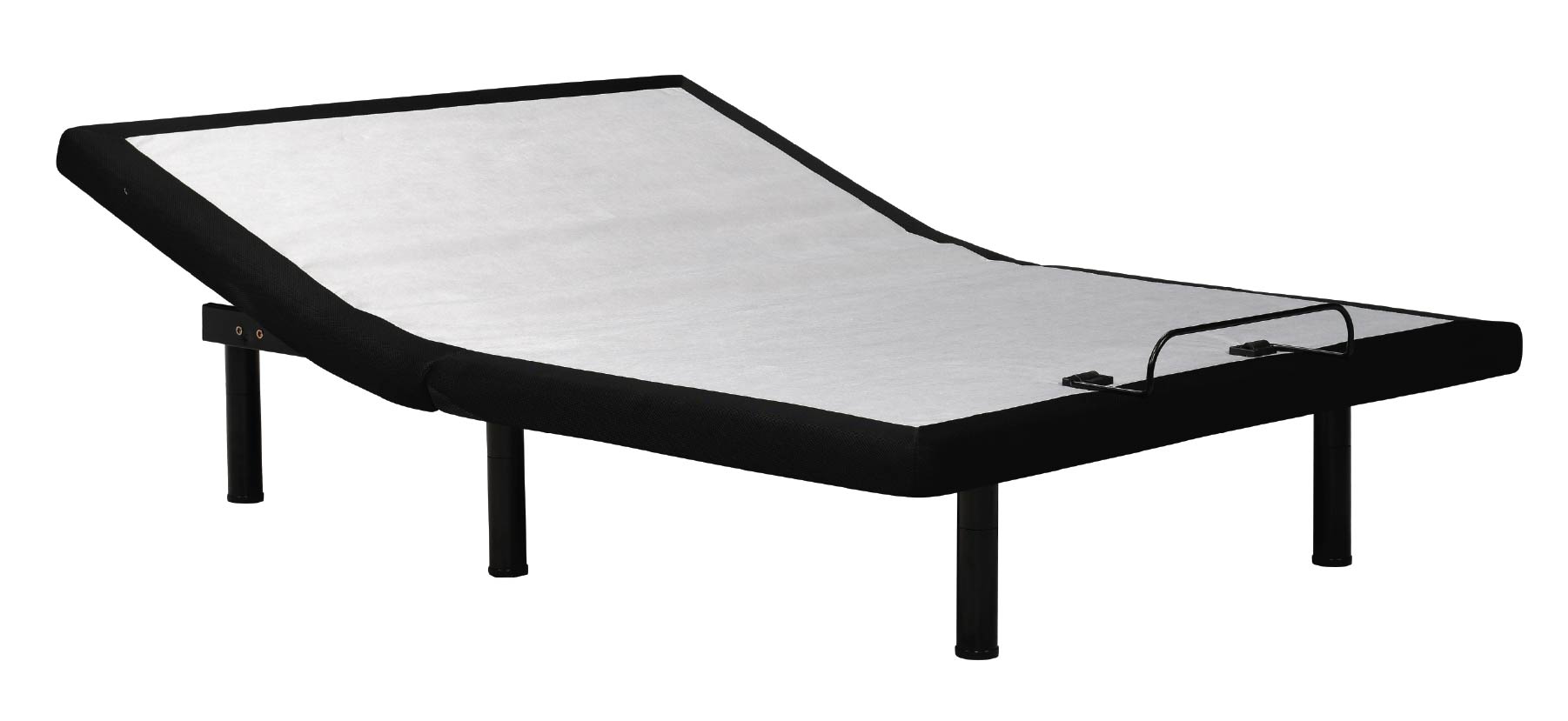
If you’re currently using an adjustable base or plan to purchase one in the near future, bed height matters even more. As adjustable beds increase in popularity, beds of all heights are increasingly being made to accommodate adjustable bases.
However, there are several things to keep in mind:
- Adjustable bases add height on their own
- Some adjustable base models are designed with legs that can be set at different heights
- Older beds and low platform beds may not be compatible with adjustable bases at all
- If adjustability is part of your plan, bed height should be chosen after confirming compatibility.
4. Underbed Storage Needs
If storage capacity is a priority, bed height can either help or hurt. The lower the bed height, the less available space you’ll have to store off-season clothes, seasonal decor, shoes, or anything else for that matter.
Be sure to consider:
- Do you plan to keep storage bins, containers, totes, drawers, or luggage underneath?
- Will you need easy access or just occasional access?
- Would a built-in storage bed be a better solution for your needs?
Low beds often eliminate storage altogether, while taller beds can offer a valuable storage space — but only if it’s accessible. Keep in mind that other priorities on this list, such as plans to install an adjustable base, may limit or conflict with any underbed storage plans.
5. Bedroom Size and Visual Balance
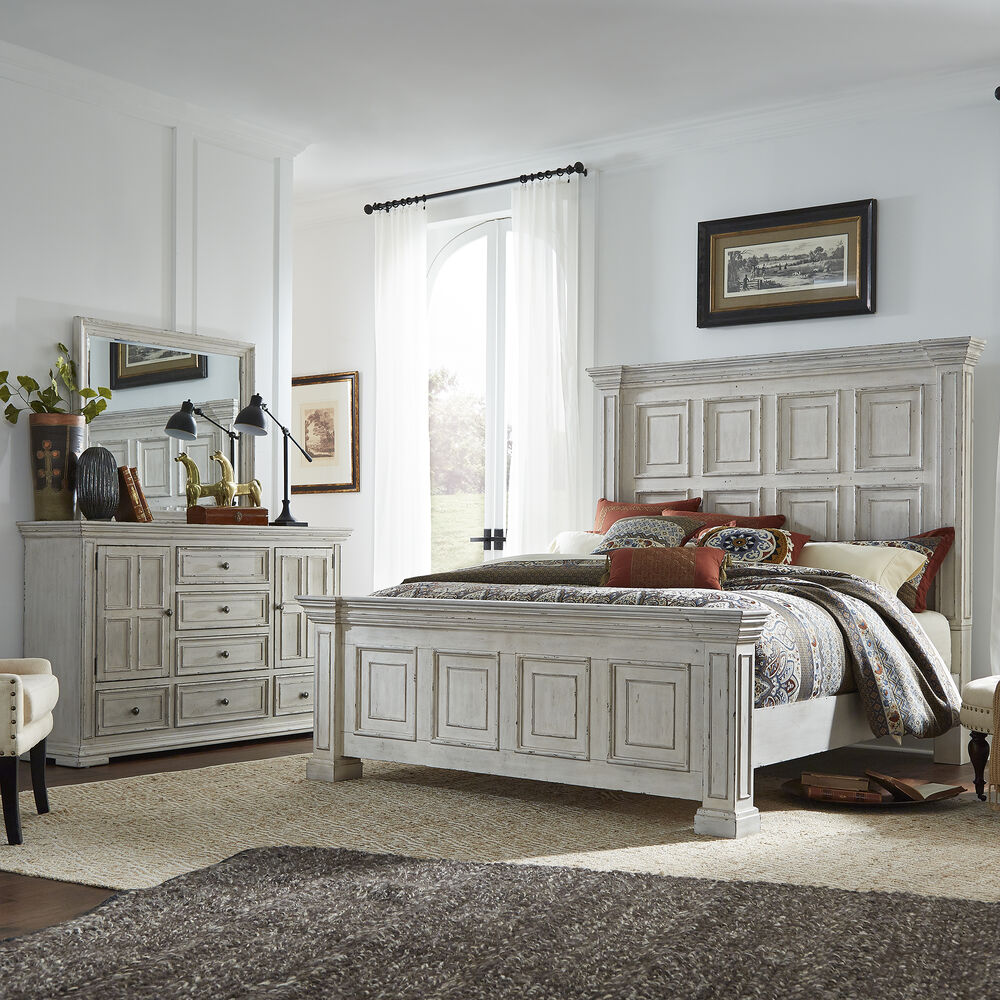
Let’s also consider the aesthetics of your space for a moment. Bed height also affects how a room feels from the moment you walk through the door. While low beds can make small rooms feel more open, tall beds can dominate and overwhelm smaller spaces.
Ask yourself these questions:
- How do you want your bedroom to feel?
- What do the dimensions of your bedroom dictate?
- Which aesthetic better fits your home’s existing decor style?
While comfort should come first, striking the right visual balance still plays a role in your long-term satisfaction with your bed and mattress setup.
6. Who Else Uses the Bed?
Finally, let’s not forget the rest of the household:
- Kids: Very tall beds may be hard for little ones to climb in and out
- Pets: Jumping on and off can be harder with taller beds
- Couples: Different heights and mobility levels may require compromise
The ideal bed height should work for everyone who uses it regularly. For couples where one party is much taller or shorter than the other, or where one sleeper has knee, hip or back issues and the other doesn’t, it’s important to find a bed height that works for both of you. Likewise, if you’ve got little ones that occasionally crawl into your bed, or pets that like to curl up at the foot of it, you’ll want to take that into consideration too.
So, What’s the Best Bed Height?
The truth is, there isn’t a one-size-fits-all bed height that’s best for everyone. It’s dependent on a number of factors, including what best fits your body and your vision for your space. As we discussed above, right bed height for you depends on:
- Your height and mobility
- Mattress thickness
- Adjustable base plans
- Your storage needs
- Bedroom layout
- Your individual ergonomics and comfort preferences
This multitude of factors to consider why testing different setups — or at least carefully measuring — is so important before making a buying decision. By considering the frame, foundation, mattress, and your own comfort together, you’re far more likely to end up with a bed that feels just right — not just on day one, but for years to come.
All that being said, generally speaking:
- Low Beds – best for modern looks, thicker mattresses, shorter sleepers, younger sleepers and/or sleepers with few mobility issues
- Standard Height Beds – best all-around fit for most adults, the happy medium
- Tall Beds – best pick for traditional or formal looks, taller sleepers, and greater storage capacity
Shop Beds of Every Height Right Here at Woodstock Furniture & Mattress Outlet
Are you shopping for a new bed or mattress and have more questions? The experts at Woodstock Furniture & Mattress Outlet would love to help. Feel free to use our convenient live web chat, give us a call, or swing by one of our Atlanta area and North Georgia furniture and mattress stores today!
In the meantime, don’t miss a number of our other bed and mattress shopping resources:
- Bed Basics: Your Guide to Bed Bases, Foundations & Other Terms You Should Know
- Adjustable Base vs Box Spring / Mattress Foundation: Which Base Is Best for Me?
- Panel Bed vs Platform Bed: What Is a Platform Bed, What Is a Panel Bed, & What’s the Difference?
- The Science of Sleep, Part I | The Critical Importance of Getting Good Sleep
- The Science of Sleep, Part II | 3 Key Things Your Mattress MUST Do for You
- How To Raise a Bed for More Storage & Comfort
- Pillow 101: What Pillow Is Best for Me?